The Kitchen Now
Provides integrated results with advanced visual analytical interface.

Provides integrated results with advanced visual analytical interface.
Now, go wash your cast iron. And don’t use soap.
But there was a dark lining to the chrome. The kitchen became a prison of expectation. Betty Friedan, in The Feminine Mystique , called the suburban kitchen a “comfortable concentration camp” for the female mind. It was a space of isolation, repetitive labor, and hidden resentment. The heart of the home had a silent, frantic pulse. Then came the 1990s and the cable TV renaissance of home improvement. Shows like This Old House and later Fixer Upper sold a radical idea: knock down the wall . The kitchen was to merge with the living and dining rooms.
But it is also the only room that serves every single member of the household, regardless of age or status. The baby gets a bottle there. The teenager raids the fridge there. The elder sits at the kitchen table with coffee there. It is the one room where the act of giving (cooking) and the act of receiving (eating) occur in the same sacred space.
Enter the “Rational Kitchen.” The 1950s homemaker was sold a dream: gleaming white cabinets, linoleum floors, and a suite of electric gadgets (the mixer, the toaster, the refrigerator). The kitchen became a laboratory of domestic science. Advertisements showed smiling women in pearls and heels, effortlessly producing roasts.
On one hand, this was liberation. The cook was no longer a servant hidden away but a host, a performer, a conversationalist. Families could talk while pasta boiled. The kitchen island became the altar of domestic life—where kids did homework, friends drank wine, and laptops were charged.
The other is a neo-primitive rebellion: backyard hearths, wood-fired ovens, fermentation crocks, sourdough starters. After a century of convenience foods and microwaves, a generation is rediscovering the slow, tactile pleasure of cooking from scratch. They are not just making dinner; they are resisting the abstraction of life. They are rebuilding the hearth. We do not need to romanticize the kitchen. It is still where we burn toast, cry over burnt sauce, and argue about whose turn it is to do the dishes. It is a place of failure as much as triumph.
We offer pricing plans that fit all investigation types and team sizes. Compare and find the best plan for you.

The perfect way to test out your analytical needs and later upgrade to what suites you best. The Kitchen
 30 days Licence
All Features Unlocked
No Payments Required
Quick Installation
Easy to Upgrade
Mobile App
30 days Licence
All Features Unlocked
No Payments Required
Quick Installation
Easy to Upgrade
Mobile App

A must have tool for all your IPDR investigative needs. Experience next-gen IPDR analytics with C5 CAT Edition. Now, go wash your cast iron

The optimum choice of IOS to let Application work as a client-server in local network or stand-alone as well. The kitchen became a prison of expectation

The most powerful option for mid and big-size organizations looking to get as much data as possible.

This edition is a bespoke data analytical solution. Designed, developed and tailored to fit your organizations specific needs
Unlimited Big Data, Ultimate Solution
Data with no limits for Big data analysis with state of art data security measures.Enterprise edition of the C5 CDR analyzer consist of a server license and a complimentary copy of the client License. Server License would be installed on the server thereafter client license would be installed on a computer connected to the server through LAN network. This implementation would enable C5 client to connect to the server and access the data on the basis of assigned privileges. Thus maintaining data security would be easy and data is located centrally.
Ultimate solution for Big Data Analysis
Ultimate solution for Big data analysis with state of art data security measures.Enterprise edition of the C5 CDR analyzer consist of a server license and a complimentary copy of the client License. Server License would be installed on the server thereafter client license would be installed on a computer connected to the server through LAN network. .This implementation would enable C5 client to connect to the server and access the data on the basis of assigned privileges. Thus maintaining data security would be easy and data is located centrally.
The C5 CDR Analyzer's Professional Edition is capable of working as a client to the server in local network as well as this edition also can be used as stand-alone; required data from the server can be transferred into this and can be carried anywhere needed for analysis.
A Lite version of the acclaimed C5 CDR ANALYZER made by Prosoft e-Solutions India Pvt. Ltd. The desktop application that is convenient and simple to use, helps you find crucial information expeditiously. Ideal for day to day CDR analysis, it’s designed from the ground up with performance and accuracy being the focus of development. With an intuitive UI and user-friendly operations this application makes it a must have, for anyone with the need and know-how of CDR analytics.
Android Application
For the officers on the move

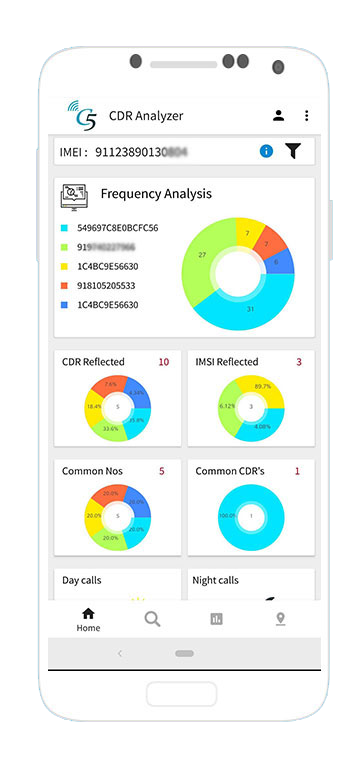
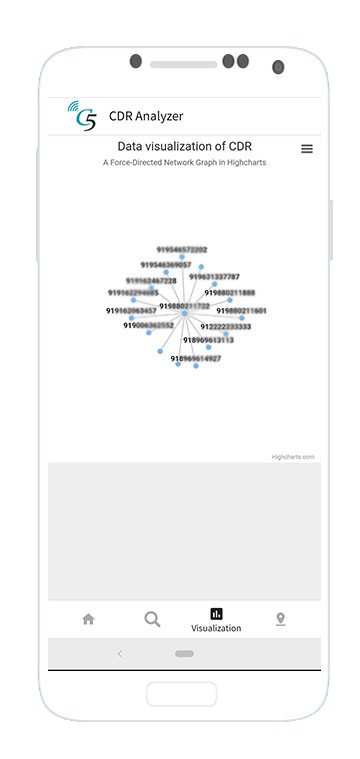
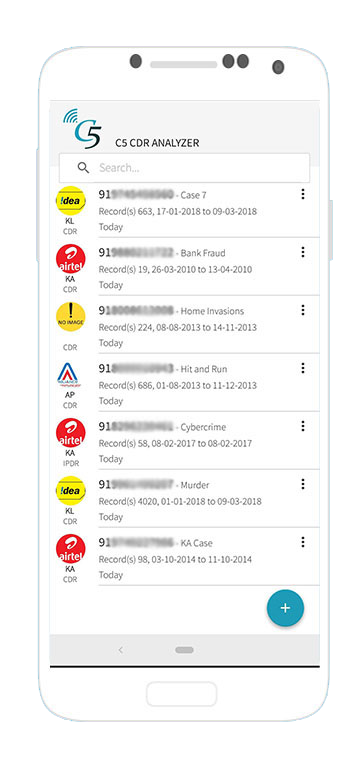
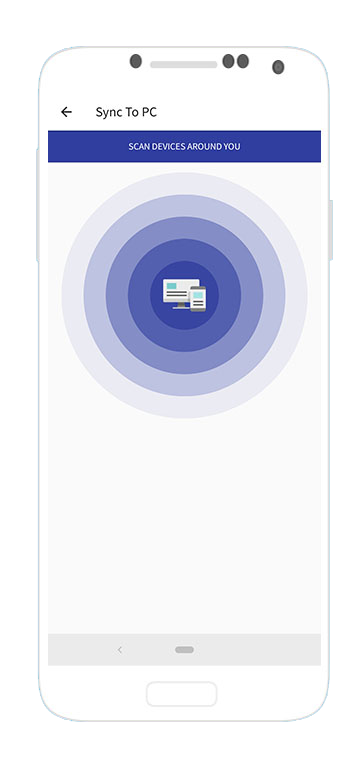
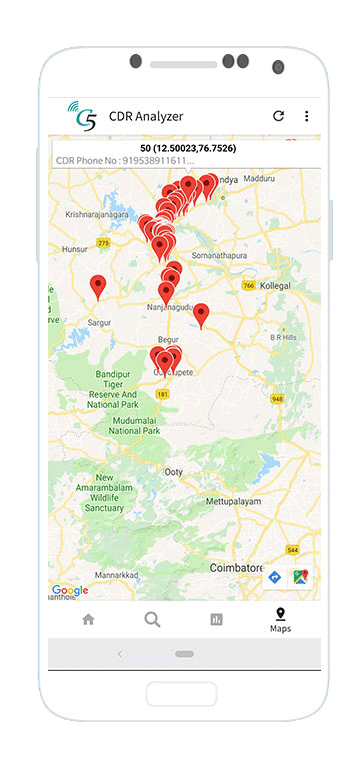
Providing you with powerful analytical tools, is what we do best.





























Now, go wash your cast iron. And don’t use soap.
But there was a dark lining to the chrome. The kitchen became a prison of expectation. Betty Friedan, in The Feminine Mystique , called the suburban kitchen a “comfortable concentration camp” for the female mind. It was a space of isolation, repetitive labor, and hidden resentment. The heart of the home had a silent, frantic pulse. Then came the 1990s and the cable TV renaissance of home improvement. Shows like This Old House and later Fixer Upper sold a radical idea: knock down the wall . The kitchen was to merge with the living and dining rooms.
But it is also the only room that serves every single member of the household, regardless of age or status. The baby gets a bottle there. The teenager raids the fridge there. The elder sits at the kitchen table with coffee there. It is the one room where the act of giving (cooking) and the act of receiving (eating) occur in the same sacred space.
Enter the “Rational Kitchen.” The 1950s homemaker was sold a dream: gleaming white cabinets, linoleum floors, and a suite of electric gadgets (the mixer, the toaster, the refrigerator). The kitchen became a laboratory of domestic science. Advertisements showed smiling women in pearls and heels, effortlessly producing roasts.
On one hand, this was liberation. The cook was no longer a servant hidden away but a host, a performer, a conversationalist. Families could talk while pasta boiled. The kitchen island became the altar of domestic life—where kids did homework, friends drank wine, and laptops were charged.
The other is a neo-primitive rebellion: backyard hearths, wood-fired ovens, fermentation crocks, sourdough starters. After a century of convenience foods and microwaves, a generation is rediscovering the slow, tactile pleasure of cooking from scratch. They are not just making dinner; they are resisting the abstraction of life. They are rebuilding the hearth. We do not need to romanticize the kitchen. It is still where we burn toast, cry over burnt sauce, and argue about whose turn it is to do the dishes. It is a place of failure as much as triumph.