Stay curious, stay creative, and keep listening to the whispers of the magnolia. I first discovered Liliana’s work through a late‑night scroll on TikTok while looking for fresh storytelling formats for my own writing class. Her blend of visual precision and linguistic fluidity inspired me to rethink how I structure my own narratives—proof that even in a saturated media landscape, genuine artistry still finds a way to stand out.
If you haven’t yet dipped into her world, start with a single StorySnap or pick up a copy of Beneath the Magnolia . One story at a time, Liliana is quietly rewriting how we experience narrative in the digital age— and you won’t want to miss the next chapter.
By [Your Name] — 18 April 2026 If you’ve been scrolling through Instagram, TikTok, or the latest indie‑film festival line‑up, you may have encountered the name Liliana Pavier without even realizing it. From hand‑drawn graphic novels that have sold out at local bookstores to a viral video series that redefines “storytelling in 60 seconds,” Liliana is the kind of multidisciplinary artist who lets her work speak louder than any press release. In this post we’ll unpack who she is, how she got to where she is today, and why she might just be the next cultural touchstone for a generation craving authenticity. 1. A Roots‑Rich Beginning | Year | Milestone | |------|-----------| | 1999 | Born in Asheville, North Carolina, to a Cuban‑American mother (visual artist) and a French‑Canadian father (journalist). | | 2007 | At age 8, receives her first sketchbook—a thrift‑store find that becomes her “portable diary.” | | 2012 | Wins a local “Young Writers” competition with a short story about a talking maple tree. | | 2015 | Begins uploading illustrated micro‑stories to Tumblr, gaining a modest following of “visual poetry” fans. |
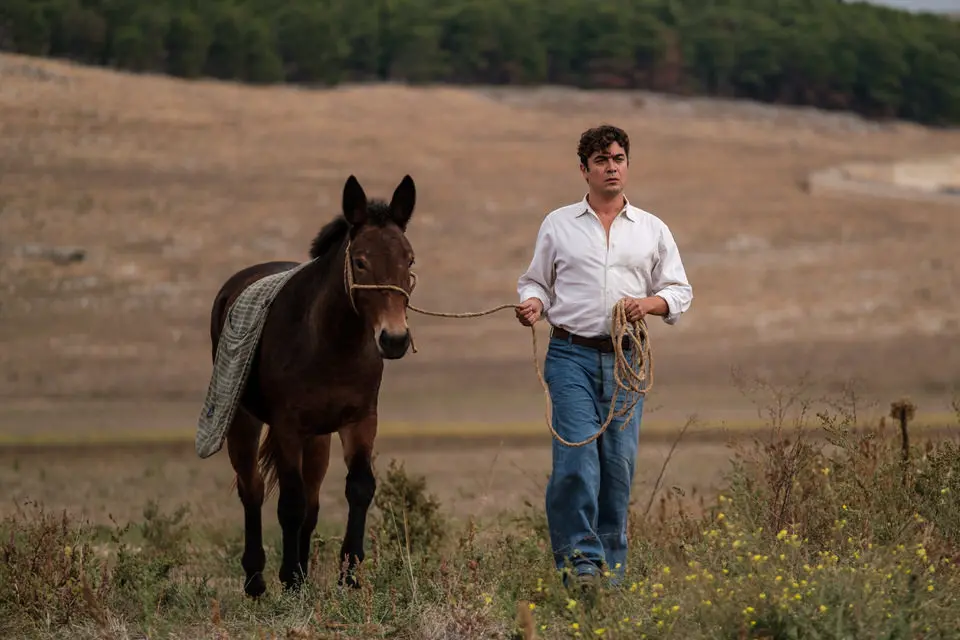
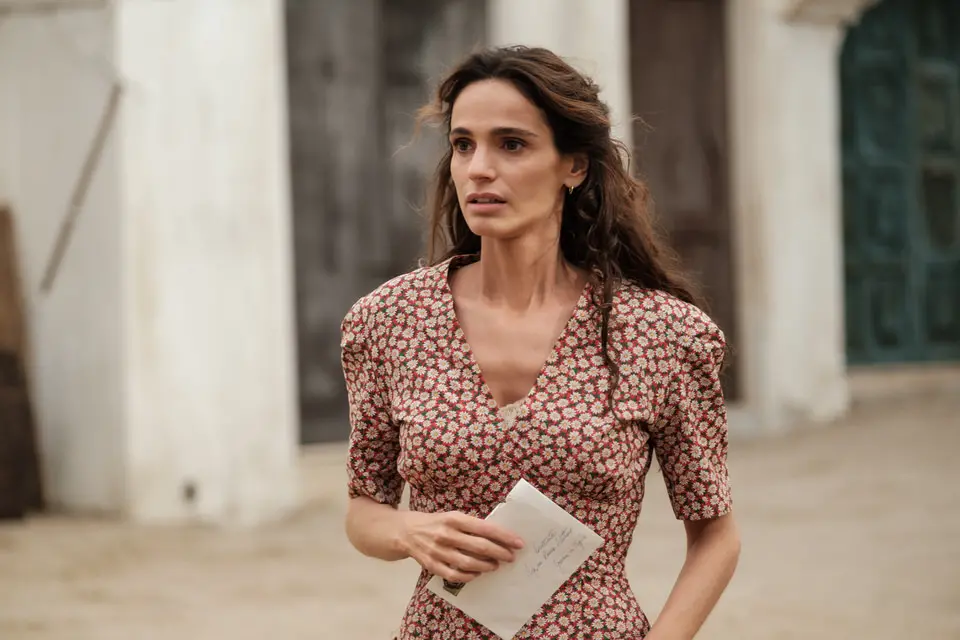
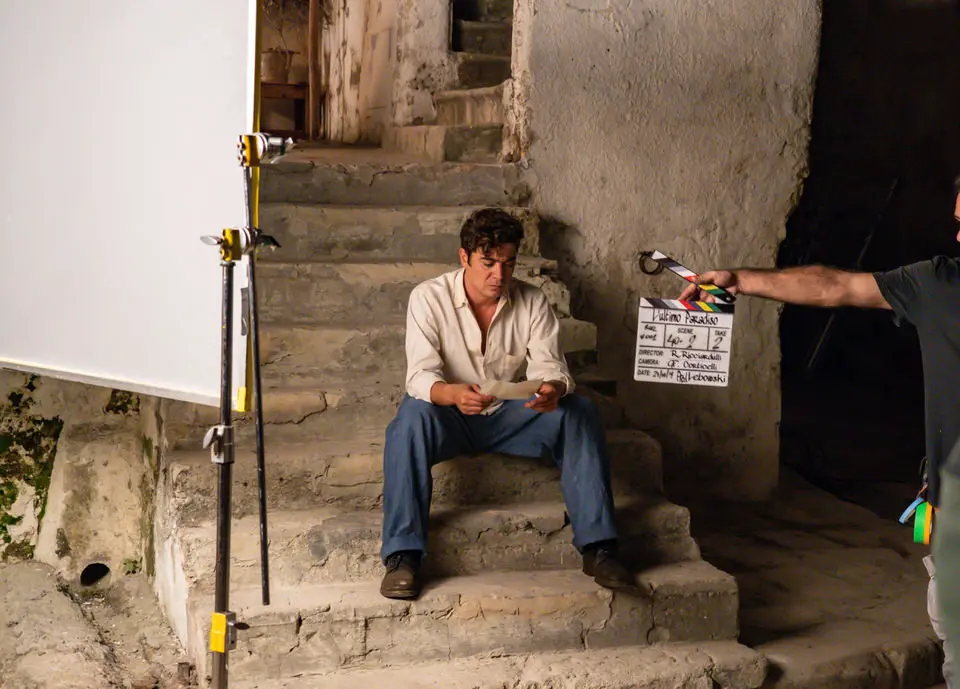
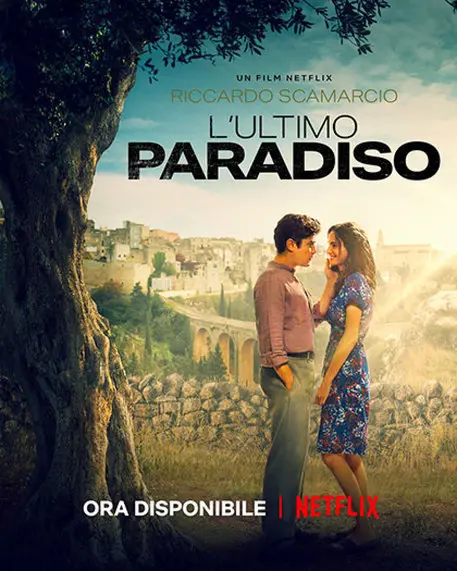
The director Rocco Ricciardulli, from Bernalda, shot his second film, L’ultimo Paradiso between October and December 2019, several dozen kilometres from his childhood home in the Murgia countryside on the border of the Apulia and Basilicata regions. The beautiful, albeit dry and arid landscape frames a story inspired by real-life events relating to the gangmaster scourge of Italy’s martyred lands. It is set in the late 1950’s, an era when certain ancestral practices of aristocratic landowners, archaic professions and a rigid division of work, owners and farmhands, oppressors and oppressed still exist and the economic boom is still far away, in time and space.
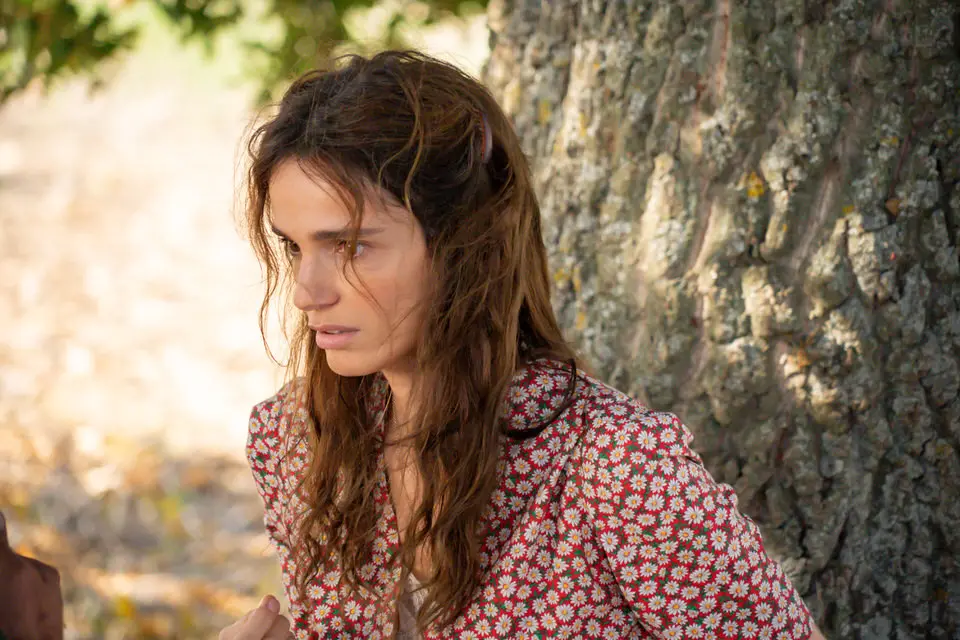
The borgo of Gravina in Puglia, where time seems to stand still, is perched at a height of 400m on a limestone deposit part of the fossa bradanica in the heart of the Parco nazionale dell’Alta Murgia. The film immortalizes the town’s alleyways, ancient residences and evocative aqueduct bridging the Gravina river. The surrounding wild nature, including olive trees, Mediterranean maquis and hectares of farm land, provides the typical colours and light of these latitudes. Just outside the residential centre, on the slopes of the Botromagno hill, which gives its name to the largest archaeological area in Apulia, is the Parco naturalistico di Capotenda, whose nature is so pristine and untouched that it provided a perfect natural backdrop for a late 1950s setting.
The alternative to oppression is departure: a choice made by Antonio whom we first meet in Trieste at the foot of the fountain of the Four Continents whose Baroque appearance decorates the majestic piazza Unità d’Italia.
The director Rocco Ricciardulli, from Bernalda, shot his second film, L’ultimo Paradiso between October and December 2019, several dozen kilometres from his childhood home in the Murgia countryside on the border of the Apulia and Basilicata regions. The beautiful, albeit dry and arid landscape frames a story inspired by real-life events relating to the gangmaster scourge of Italy’s martyred lands. It is set in the late 1950’s, an era when certain ancestral practices of aristocratic landowners, archaic professions and a rigid division of work, owners and farmhands, oppressors and oppressed still exist and the economic boom is still far away, in time and space.
The borgo of Gravina in Puglia, where time seems to stand still, is perched at a height of 400m on a limestone deposit part of the fossa bradanica in the heart of the Parco nazionale dell’Alta Murgia. The film immortalizes the town’s alleyways, ancient residences and evocative aqueduct bridging the Gravina river. The surrounding wild nature, including olive trees, Mediterranean maquis and hectares of farm land, provides the typical colours and light of these latitudes. Just outside the residential centre, on the slopes of the Botromagno hill, which gives its name to the largest archaeological area in Apulia, is the Parco naturalistico di Capotenda, whose nature is so pristine and untouched that it provided a perfect natural backdrop for a late 1950s setting.
The alternative to oppression is departure: a choice made by Antonio whom we first meet in Trieste at the foot of the fountain of the Four Continents whose Baroque appearance decorates the majestic piazza Unità d’Italia.
Lebowski, Silver Productions
In 1958, Ciccio, a farmer in his forties married to Lucia and the father of a son of 7, is fighting with his fellow workers against those who exploit their work, while secretly in love with Bianca, the daughter of Cumpà Schettino, a feared and untrustworthy landowner.
Stay curious, stay creative, and keep listening to the whispers of the magnolia. I first discovered Liliana’s work through a late‑night scroll on TikTok while looking for fresh storytelling formats for my own writing class. Her blend of visual precision and linguistic fluidity inspired me to rethink how I structure my own narratives—proof that even in a saturated media landscape, genuine artistry still finds a way to stand out.
If you haven’t yet dipped into her world, start with a single StorySnap or pick up a copy of Beneath the Magnolia . One story at a time, Liliana is quietly rewriting how we experience narrative in the digital age— and you won’t want to miss the next chapter.
By [Your Name] — 18 April 2026 If you’ve been scrolling through Instagram, TikTok, or the latest indie‑film festival line‑up, you may have encountered the name Liliana Pavier without even realizing it. From hand‑drawn graphic novels that have sold out at local bookstores to a viral video series that redefines “storytelling in 60 seconds,” Liliana is the kind of multidisciplinary artist who lets her work speak louder than any press release. In this post we’ll unpack who she is, how she got to where she is today, and why she might just be the next cultural touchstone for a generation craving authenticity. 1. A Roots‑Rich Beginning | Year | Milestone | |------|-----------| | 1999 | Born in Asheville, North Carolina, to a Cuban‑American mother (visual artist) and a French‑Canadian father (journalist). | | 2007 | At age 8, receives her first sketchbook—a thrift‑store find that becomes her “portable diary.” | | 2012 | Wins a local “Young Writers” competition with a short story about a talking maple tree. | | 2015 | Begins uploading illustrated micro‑stories to Tumblr, gaining a modest following of “visual poetry” fans. |