In the not-too-distant future, the world was on the brink of a technological revolution. A team of brilliant scientists and engineers at the prestigious NeuroSphere Corporation had been working on a top-secret project codenamed IPBZ-011, also known as "The Aurora Initiative."
How was that? I hope you enjoyed the story!
The first human trials of the Aurora BCI were conducted on a group of patients with severe paralysis. The results were nothing short of miraculous. The patients were able to control a computer cursor with their minds, communicate with their loved ones, and even regain some motor function.
The goal of the Aurora Initiative was to develop a non-invasive brain-computer interface (BCI) that could read and write neural signals directly to and from the human brain. The technology had the potential to revolutionize the treatment of neurological disorders, enhance human cognition, and even enable people to control devices with their minds.
Despite these assurances, the debate about the ethics of the Aurora Initiative continued to rage on. As the technology continued to evolve and improve, it became clear that its impact would be far-reaching and multifaceted.
The story of IPBZ-011, the Aurora Initiative, served as a testament to human ingenuity and the power of innovation to transform lives. As the world looked to the future, it was clear that the possibilities were endless, and that the impact of this technology would be felt for generations to come.
Dr. Vex and her team continued to push the boundaries of what was possible with the Aurora BCI, exploring new frontiers in human cognition and artificial intelligence. Their work inspired a new generation of researchers and entrepreneurs, who were eager to build on their achievements.
As the years passed, the Aurora Initiative continued to advance, and its applications expanded into various fields, including healthcare, education, and entertainment. The technology became an integral part of people's lives, enabling them to interact with the world around them in new and innovative ways.
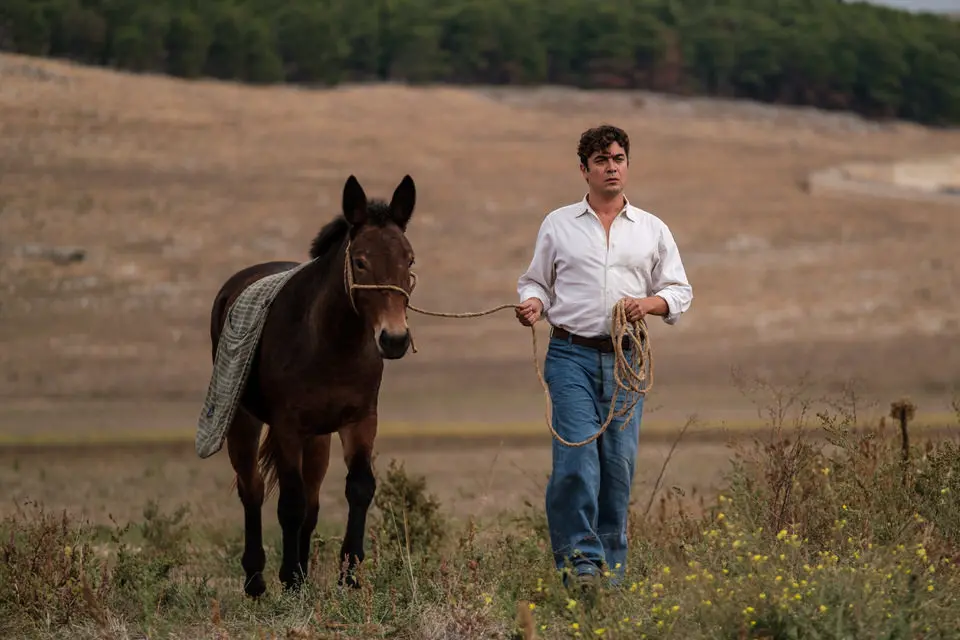
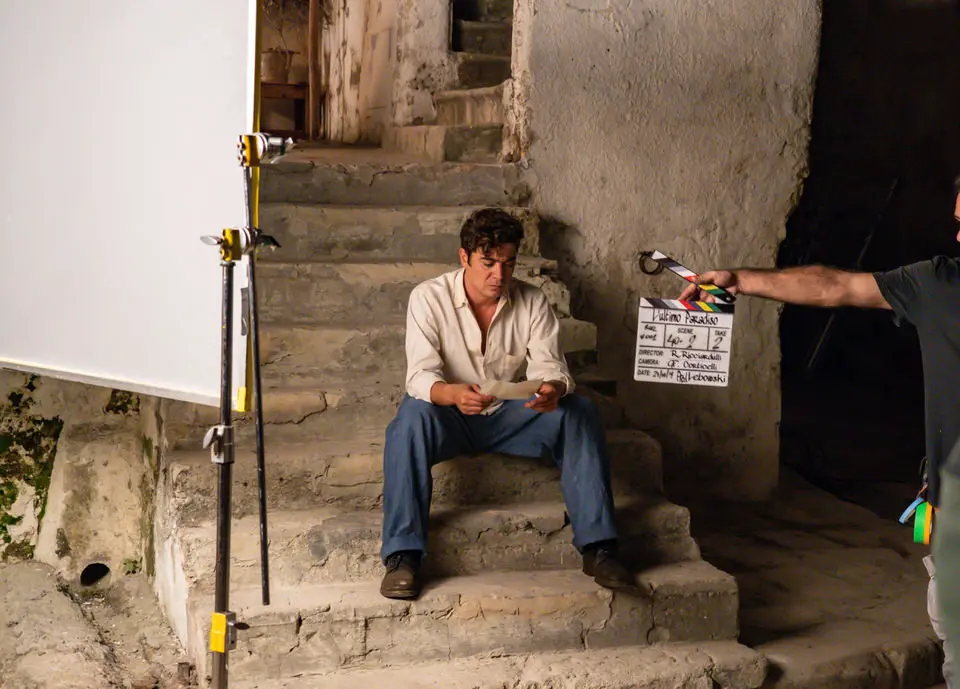
The director Rocco Ricciardulli, from Bernalda, shot his second film, L’ultimo Paradiso between October and December 2019, several dozen kilometres from his childhood home in the Murgia countryside on the border of the Apulia and Basilicata regions. The beautiful, albeit dry and arid landscape frames a story inspired by real-life events relating to the gangmaster scourge of Italy’s martyred lands. It is set in the late 1950’s, an era when certain ancestral practices of aristocratic landowners, archaic professions and a rigid division of work, owners and farmhands, oppressors and oppressed still exist and the economic boom is still far away, in time and space.
The borgo of Gravina in Puglia, where time seems to stand still, is perched at a height of 400m on a limestone deposit part of the fossa bradanica in the heart of the Parco nazionale dell’Alta Murgia. The film immortalizes the town’s alleyways, ancient residences and evocative aqueduct bridging the Gravina river. The surrounding wild nature, including olive trees, Mediterranean maquis and hectares of farm land, provides the typical colours and light of these latitudes. Just outside the residential centre, on the slopes of the Botromagno hill, which gives its name to the largest archaeological area in Apulia, is the Parco naturalistico di Capotenda, whose nature is so pristine and untouched that it provided a perfect natural backdrop for a late 1950s setting.
The alternative to oppression is departure: a choice made by Antonio whom we first meet in Trieste at the foot of the fountain of the Four Continents whose Baroque appearance decorates the majestic piazza Unità d’Italia.
The director Rocco Ricciardulli, from Bernalda, shot his second film, L’ultimo Paradiso between October and December 2019, several dozen kilometres from his childhood home in the Murgia countryside on the border of the Apulia and Basilicata regions. The beautiful, albeit dry and arid landscape frames a story inspired by real-life events relating to the gangmaster scourge of Italy’s martyred lands. It is set in the late 1950’s, an era when certain ancestral practices of aristocratic landowners, archaic professions and a rigid division of work, owners and farmhands, oppressors and oppressed still exist and the economic boom is still far away, in time and space.
The borgo of Gravina in Puglia, where time seems to stand still, is perched at a height of 400m on a limestone deposit part of the fossa bradanica in the heart of the Parco nazionale dell’Alta Murgia. The film immortalizes the town’s alleyways, ancient residences and evocative aqueduct bridging the Gravina river. The surrounding wild nature, including olive trees, Mediterranean maquis and hectares of farm land, provides the typical colours and light of these latitudes. Just outside the residential centre, on the slopes of the Botromagno hill, which gives its name to the largest archaeological area in Apulia, is the Parco naturalistico di Capotenda, whose nature is so pristine and untouched that it provided a perfect natural backdrop for a late 1950s setting.
The alternative to oppression is departure: a choice made by Antonio whom we first meet in Trieste at the foot of the fountain of the Four Continents whose Baroque appearance decorates the majestic piazza Unità d’Italia.
Lebowski, Silver Productions
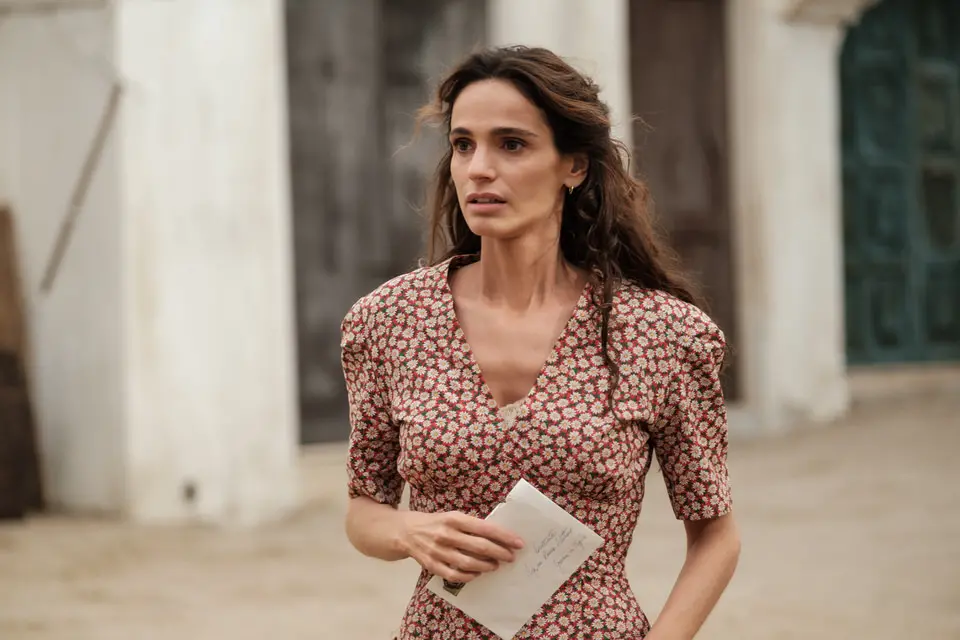
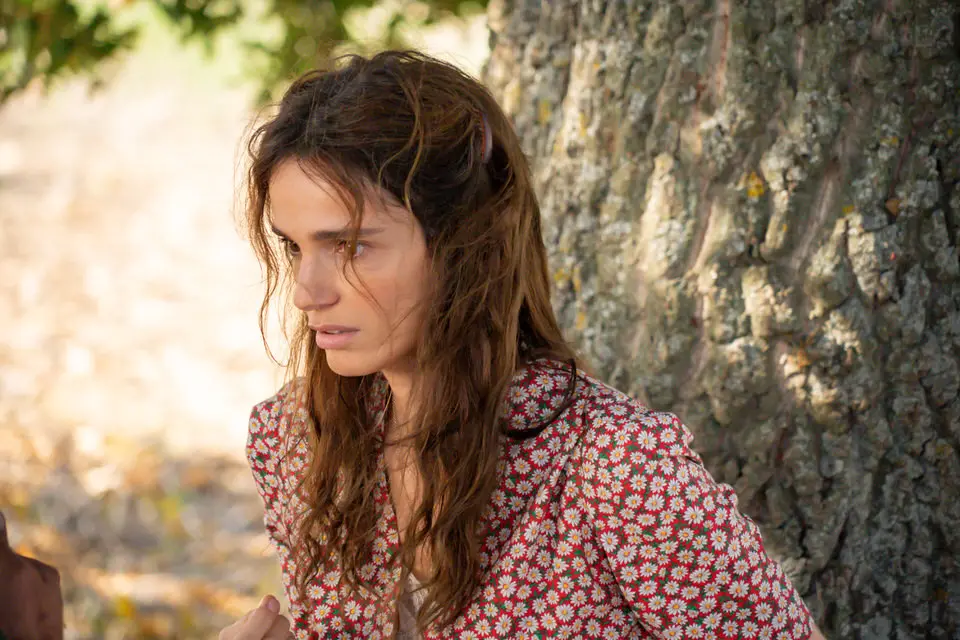
In 1958, Ciccio, a farmer in his forties married to Lucia and the father of a son of 7, is fighting with his fellow workers against those who exploit their work, while secretly in love with Bianca, the daughter of Cumpà Schettino, a feared and untrustworthy landowner.
In the not-too-distant future, the world was on the brink of a technological revolution. A team of brilliant scientists and engineers at the prestigious NeuroSphere Corporation had been working on a top-secret project codenamed IPBZ-011, also known as "The Aurora Initiative."
How was that? I hope you enjoyed the story!
The first human trials of the Aurora BCI were conducted on a group of patients with severe paralysis. The results were nothing short of miraculous. The patients were able to control a computer cursor with their minds, communicate with their loved ones, and even regain some motor function.
The goal of the Aurora Initiative was to develop a non-invasive brain-computer interface (BCI) that could read and write neural signals directly to and from the human brain. The technology had the potential to revolutionize the treatment of neurological disorders, enhance human cognition, and even enable people to control devices with their minds.
Despite these assurances, the debate about the ethics of the Aurora Initiative continued to rage on. As the technology continued to evolve and improve, it became clear that its impact would be far-reaching and multifaceted.
The story of IPBZ-011, the Aurora Initiative, served as a testament to human ingenuity and the power of innovation to transform lives. As the world looked to the future, it was clear that the possibilities were endless, and that the impact of this technology would be felt for generations to come.
Dr. Vex and her team continued to push the boundaries of what was possible with the Aurora BCI, exploring new frontiers in human cognition and artificial intelligence. Their work inspired a new generation of researchers and entrepreneurs, who were eager to build on their achievements.
As the years passed, the Aurora Initiative continued to advance, and its applications expanded into various fields, including healthcare, education, and entertainment. The technology became an integral part of people's lives, enabling them to interact with the world around them in new and innovative ways.