Ip Man 2 -hot 〈TRENDING · Secrets〉
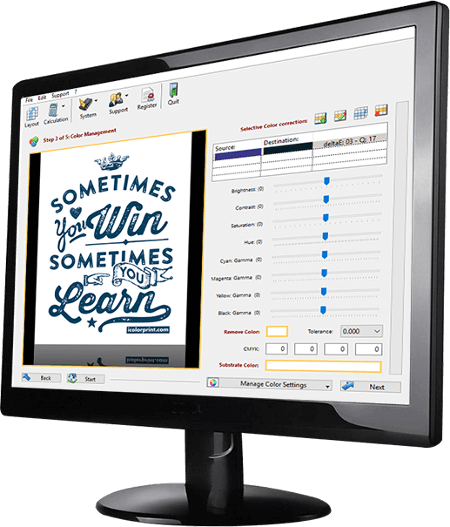
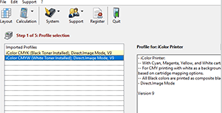
DTF Pro™ has developed a series of software packages to enhance your IColor printing experience. The DTF Pro™ TransferRIP and ProRIP and ProRIP Essentials packages make it simple to produce spot color overprint and underprint in one pass. The Absolute White RIP helps you use an Absolute White Toner Cartridge in a converted CMYK printer, and create 2 pass prints with color and white. The DTF Pro™ SmartCUT suite allows your A4/Letter sized printer to produce tabloid or larger sized transfers! Use one or more with the DTF Pro™ 500, 600 and 800 series of transfer printers.
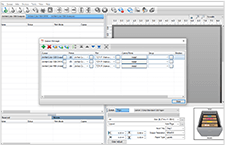
Use the DTF Pro™ ProRIP software to print white as an underprint or overprint in one pass.
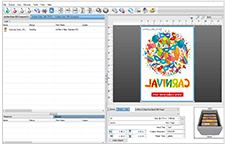
This professional version is designed for higher volume printing with an all new interface. Design files can be printed directly from your favorite graphics program, as well as imported directly into DTF Pro™ ProRIP. Ip Man 2 -HOT
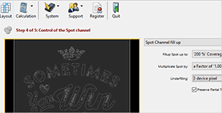
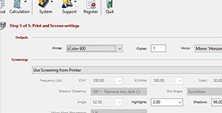
The DTF Pro™ ProRIP software allows the user to control the spot white channel feature. Three cartridge configurations are available: Spot color overprinting, where white is needed as a top color for textiles; Spot color underprinting for printing on dark or transparent media where white is needed as a background color and standard CMYK printing where a spot color is not needed. No need to create additional graphics with different color configurations – the software does it all – and in one pass! Enhance the brilliance of any graphic with white behind color! We all remember the first Ip Man :
Compatible with Microsoft Windows® 8 / 10 / 11 (x32 & x64) only. Ip Man 2 is the Rocky IV of martial arts films
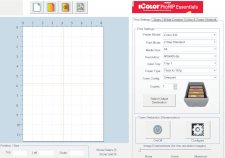
A simplified version of ProRIP which includes all of the most commonly used features of ProRIP with an easy to use interface. This Essentials version simplifies the printing process and allows the user to print efficiently and quickly without any training. All of the important and frequently used aspects of the software are included in this version, while all of the ‘never used’ or confusing aspects of the software are left out.
Comes standard with the IColor®540 and 560 models and is compatible with the IColor 550 as well.
Does not work with IColor 500, 600, 650 or 800 (yet).
Improvements over the ‘Standard’ ProRIP:
We all remember the first Ip Man : the ten black belts, the "I want ten!" line, and the raw, almost melancholic fury of a man fighting for rice during wartime. It was a masterpiece of pacing and emotional stakes.
– If you don’t stand up and shadow-box during the final weigh-in scene, check your pulse.
Ip Man 2 is the Rocky IV of martial arts films. It’s melodramatic, patriotic, and gloriously predictable. But in a world of CGI messes and shaky-cam, watching Donnie Wilson (Donnie Yen) land 30 punches in 4 seconds on a sweaty, racist giant? That’s not just cinema. That’s therapy.
Is Ip Man 2 better than the first, or is the nostalgia for the ten black belts too strong? Hashtags: #IpMan2 #DonnieYen #MartialArtsMovies #HotTake #WingChun #ActionCinema
Here’s why Ip Man 2 deserves a serious re-evaluation.
Here’s a draft for a hot take / deep-dive post about , written to spark discussion and engagement. Title: Ip Man 2 Isn’t Just a Sequel – It’s a Blueprint for Why Underdogs Still Rule Action Cinema (HOT TAKE)
In part one, the villain was Colonel Miura – a brutal, one-note imperialist. In part two, Darren Shahlavi’s "Twister" (Taylor Miller) is a loud, racist Western boxer. But here’s the twist: Twister isn't the real enemy. The real villain is colonial arrogance embodied by the British boxing association. The final fight isn't just Ip Man vs. a giant; it’s Wing Chun vs. institutional rigging. When the referee tries to cheat, and Ip Man gets knocked down three times, the tension isn't physical – it’s political.
We all remember the first Ip Man : the ten black belts, the "I want ten!" line, and the raw, almost melancholic fury of a man fighting for rice during wartime. It was a masterpiece of pacing and emotional stakes.
– If you don’t stand up and shadow-box during the final weigh-in scene, check your pulse.
Ip Man 2 is the Rocky IV of martial arts films. It’s melodramatic, patriotic, and gloriously predictable. But in a world of CGI messes and shaky-cam, watching Donnie Wilson (Donnie Yen) land 30 punches in 4 seconds on a sweaty, racist giant? That’s not just cinema. That’s therapy.
Is Ip Man 2 better than the first, or is the nostalgia for the ten black belts too strong? Hashtags: #IpMan2 #DonnieYen #MartialArtsMovies #HotTake #WingChun #ActionCinema
Here’s why Ip Man 2 deserves a serious re-evaluation.
Here’s a draft for a hot take / deep-dive post about , written to spark discussion and engagement. Title: Ip Man 2 Isn’t Just a Sequel – It’s a Blueprint for Why Underdogs Still Rule Action Cinema (HOT TAKE)
In part one, the villain was Colonel Miura – a brutal, one-note imperialist. In part two, Darren Shahlavi’s "Twister" (Taylor Miller) is a loud, racist Western boxer. But here’s the twist: Twister isn't the real enemy. The real villain is colonial arrogance embodied by the British boxing association. The final fight isn't just Ip Man vs. a giant; it’s Wing Chun vs. institutional rigging. When the referee tries to cheat, and Ip Man gets knocked down three times, the tension isn't physical – it’s political.
Use the DTF Pro™ TransferRIP software to print white as an underprint or overprint in one pass.
Designed for every day, short to mid run use, the DTF Pro™ TransferRIP software allows the user to control the spot white channel feature. Two cartridge configurations are available: White overprint, where white is needed as a top color for textiles; and white underprint for printing on dark or transparent media where white is needed a round color. No need to create additional graphics with different color configurations – the software does it all – and in one pass! Enhance the brilliance of any graphic with white behind color!
Compatible with Microsoft Windows 7 / 8 / 10 (x32 & x64) only.