This website is for the original EmulationStation, last updated in 2015!

A graphical and themeable emulator front-end that allows you to access all your favorite games in one place, even without a keyboard!
This website is for the original EmulationStation, last updated in 2015!
A graphical and themeable emulator front-end that allows you to access all your favorite games in one place, even without a keyboard!
| Latin Key (Shifted) | Arabic Letter | Name | |---------------------|---------------|------| | S (Shift + S) | ص | Saad (emphatic S) | | D (Shift + D) | ض | Daad (emphatic D) | | T (Shift + T) | ط | Taa (emphatic T) | | Z (Shift + Z) | ظ | Zaa (emphatic Z) | | H (Shift + H) | ح | Haa (deep H, different from ه) | | G (Shift + G) | غ | Ghayn (guttural G/R) |
For decades, typing in Arabic presented a formidable challenge to non-native learners, diaspora communities, and even native speakers accustomed to QWERTY. The standard Arabic keyboard layout (often based on the IBM PC or Apple’s native ordering) arranges letters by visual similarity or historical typewriter mechanics, not by sound. This means the letter "ب" (Baa) is nowhere near the English "B," and "أ" (Alef) is far from "A." Enter the Hameems Arabic Phonetic Keyboard Layout —a thoughtfully engineered input method designed to align Arabic letters with their closest phonetic equivalents on a standard Latin (QWERTY) keyboard. The Genesis: Why Phonetic Mapping Matters The concept of "phonetic" or "transliteration-based" keyboards is not new, but Hameems distinguishes itself through consistency, memorability, and a near-intuitive feel for English speakers who have learned Arabic. The layout operates on a simple premise: If the Arabic letter sounds like an English letter, it should be typed with that English key. Hameems Arabic Phonetic Keyboard Layout
| Latin Key | Arabic Letter | Name | |-----------|---------------|------| | B | ب | Baa | | T | ت | Taa | | TH | ث | Thaa (as in think ) | | J | ج | Jeem | | H | ه | Haa (light H) | | K | خ | Khaa (as in Bach ) | | D | د | Dal | | R | ر | Raa | | S | س | Seen | | SH | ش | Sheen | | F | ف | Faa | | Q | ق | Qaf (deep Q) | | L | ل | Laam | | M | م | Meem | | N | ن | Noon | Arabic contains "emphatic" consonants (pharyngealized sounds) that have no direct English equivalent. Hameems maps these to the closest Latin letter, typically using the Shift key to access the "heavy" version: | Latin Key (Shifted) | Arabic Letter |
Whether you are a student struggling with Arabic 101, a journalist typing dialectal Arabic, or a heritage speaker relearning the script, Hameems offers a path forward: . Last updated: 2026. For the latest configuration files and community support, search "Hameems keyboard GitHub" or consult Arabic language learning forums. The Genesis: Why Phonetic Mapping Matters The concept
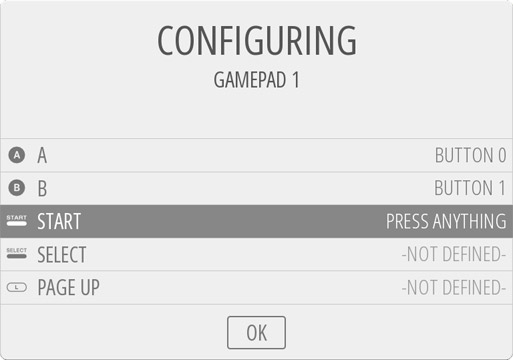
EmulationStation provides an interface that is usable with any 4-button controller, set up from within the program itself.
* Emulators themselves must be configured separately...for now.
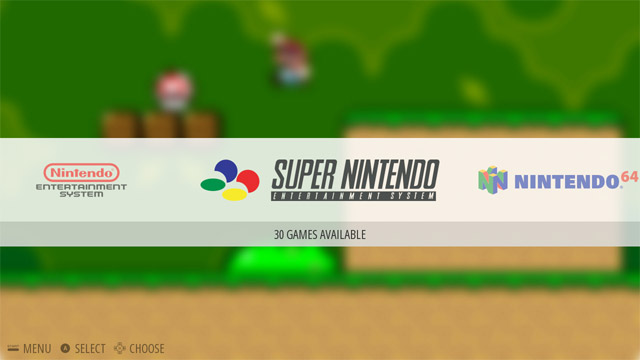
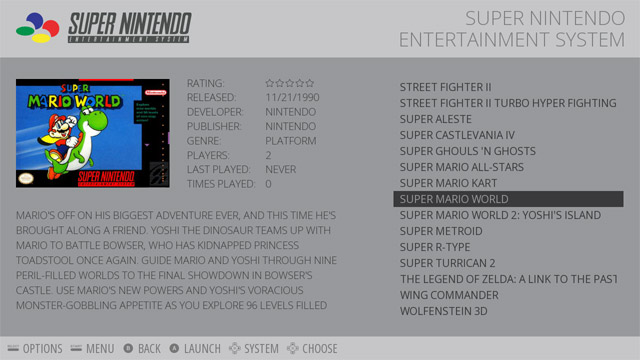
EmulationStation includes a custom theming system that gives you control over how each screen looks on a per-system basis, from the system select screen to the game list.
Don't like our style? Try another set, or make your own!
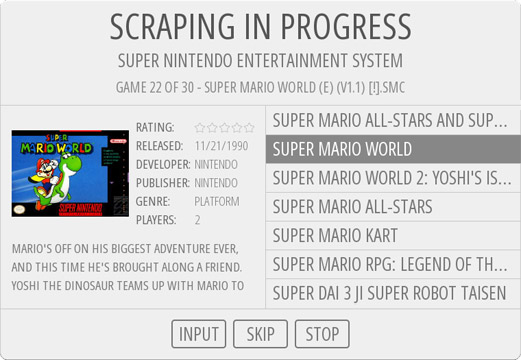
Download the full name, description, box art, rating, release date, developer, publisher, genre, and number of players for every game in your library with the press of a button.
You can download an installer below.
The installer will install a pre-compiled
EmulationStation executable and a set of themes.
Or, you can build EmulationStation yourself!
Browse on GitHub »Remember, you need to configure EmulationStation to use your emulators!
You can read more about how to do that on the Getting Started page.


